












Table of Contents

One of the most frustrating moments for any creator on YouTube is this:
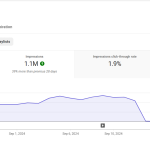
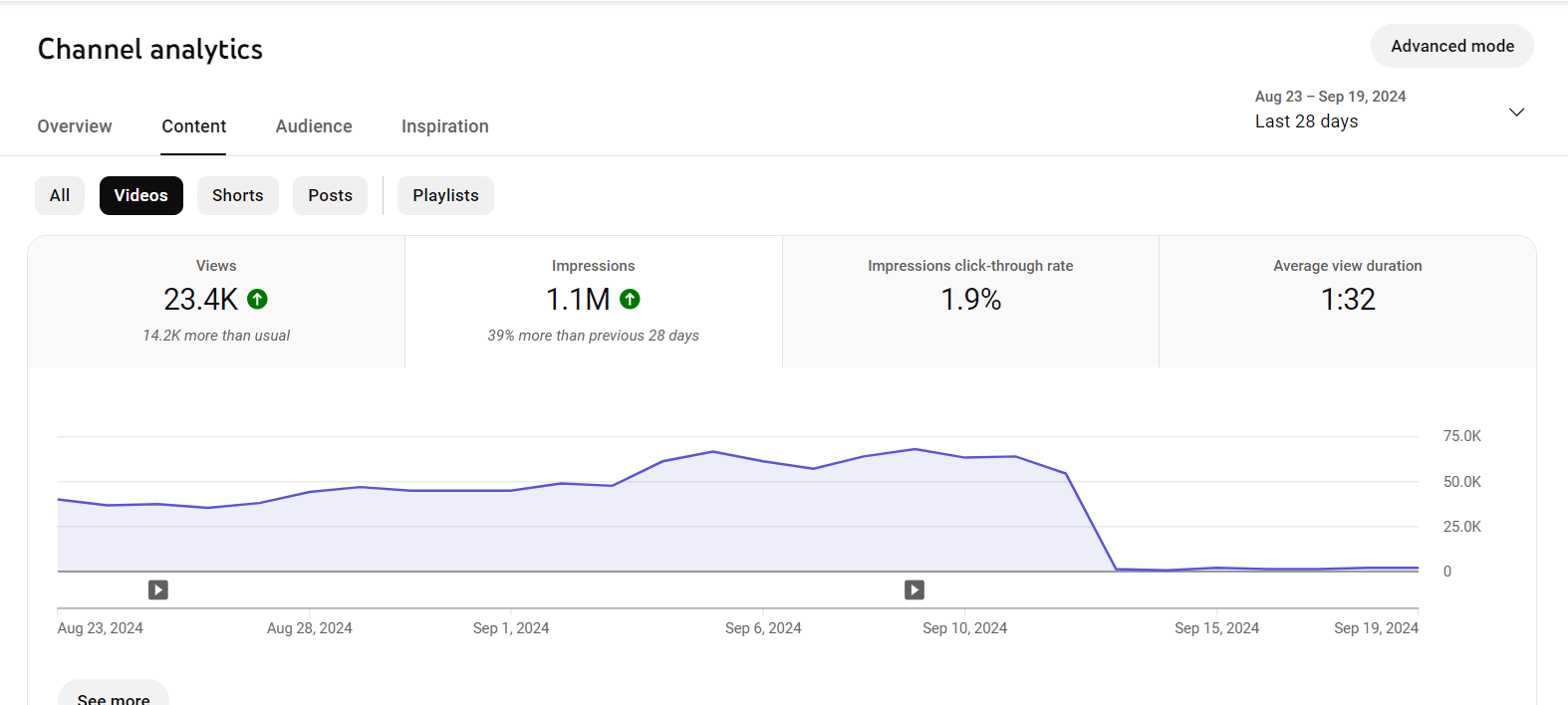
your video starts getting views, maybe reaches 1,000 or 2,000 views, and then suddenly stops.
No more impressions.
No more suggested traffic.
Just silence.
Most creators immediately assume something is wrong with their content. In reality, this behavior is normal—and it’s built into how YouTube distributes videos.
How YouTube Tests Every Video
When you upload a video, YouTube does not push it to a massive audience instantly. Instead, it follows a testing process:
- The video is shown to a small sample audience
- YouTube measures how they behave
- Based on that data, distribution either expands or slows
The goal of the algorithm is simple:
find videos viewers enjoy and keep watching.
If engagement drops at any stage, YouTube pauses promotion—not permanently, but temporarily.
The Real Reasons Videos Stop Getting Views
Early Audience Mismatch
Your video is first shown to:
- Subscribers
- Recent viewers
- Similar audience profiles
If those viewers don’t click or don’t watch long enough, YouTube assumes the video isn’t relevant to that audience, even if the video itself is good.
This is why niche consistency matters—a topic mismatch confuses the algorithm.
Weak First 30–60 Seconds
Early retention is one of the strongest signals YouTube uses.
If viewers leave quickly:
- Average view duration drops
- Confidence in the video drops
- Impressions slow down
Strong hooks matter more than high-end editing.
CTR Drops as Impressions Increase

Click-through rate always drops as YouTube shows your video to more people. That’s normal.
But if CTR falls below ~5%, the algorithm often slows distribution because fewer people are choosing the video.
No Current Demand for the Topic
Even a perfectly made video can stall if:
- The topic isn’t trending
- Few people are searching for it
- There’s no urgency or curiosity
This is why trend-aligned videos often outperform evergreen ones—especially for small channels.
👉 We explain this deeply in our main pillar article: How the YouTube Algorithm Really Works in 2025
Can a Stuck Video Grow Again?
Yes. Many videos experience delayed growth when:
- Viewer interest increases later
- A related topic trends
- YouTube finds a better audience match
This is why deleting underperforming videos is usually a mistake.
External Reference (Authority Signal)
YouTube itself has explained that recommendations are based on viewer satisfaction and watch behavior, not channel size or upload count.
You can read more in YouTube’s official Creator documentation.
Key Takeaway
Most YouTube videos don’t stop getting views because they’re bad.
They stop because:
- They were tested with the wrong audience
- They lost viewers too early
- Or the topic lacked current demand
Fix the topic, timing, and retention, and growth becomes predictable.

