
 11
11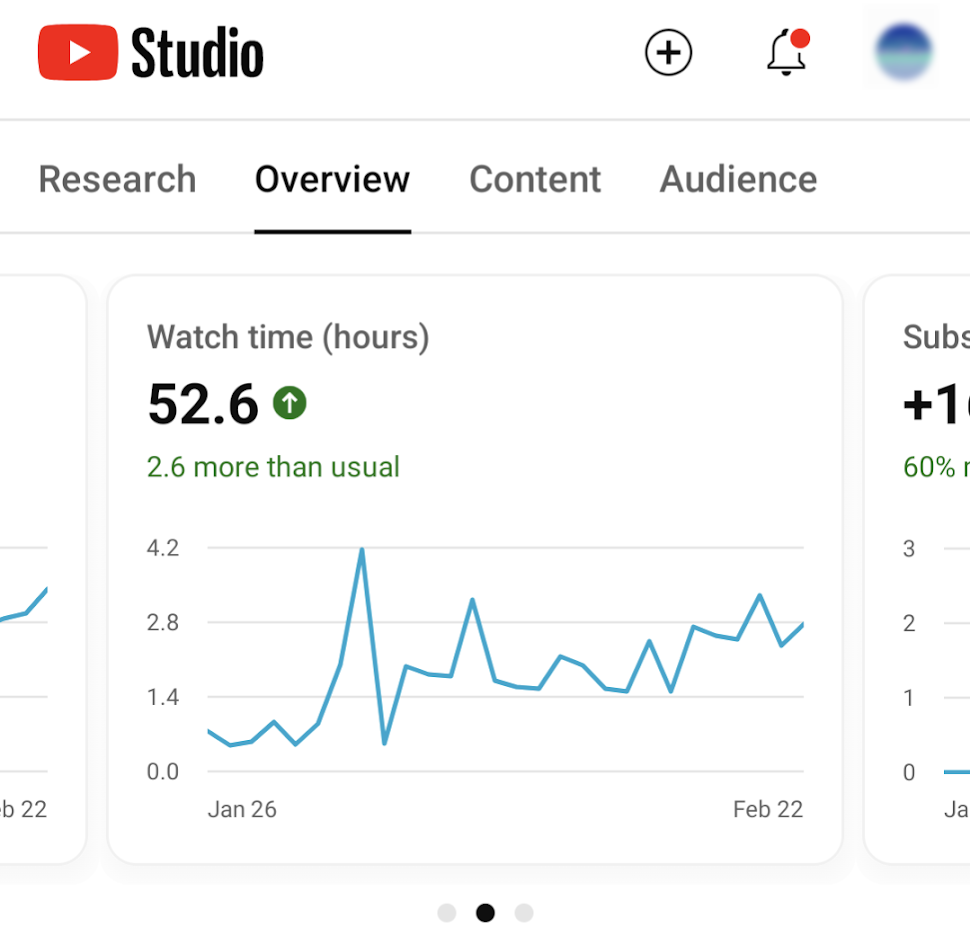
In the last few months, many creators have proven something important: YouTube Algorithm growth is still very possible right now. Channels that were stuck for months—or even years—are suddenly exploding with views and subscribers.
So why does this happen?
Why do some creators stay stuck at the same view count while others suddenly break through?
This article breaks down how the YouTube algorithm actually works today, the real reasons channels get stuck, and the exact growth principles that help videos take off—based on real analytics, not theory.
If your videos:
You’re not alone.
Most creators try everything:
Yet nothing changes.
This happens because growth on YouTube is not only about quality or the algorithm. There’s a missing piece most creators ignore.
Years ago, YouTube openly encouraged creators to follow trends. Today, most people pretend trends don’t matter.
But they do.
A trend is not just:
A trend is:
Many people caring about the same topic at the same time.
When a topic becomes a trend:

Creators often believe:
Better click-through rate + better watch time = more views
But real analytics show something surprising.
Sometimes:
Because the viral video is on a trend.
When a topic is current and relevant:
This gives YouTube instant feedback that:
“People want this right now.”

When YouTube made major changes involving AI:
Even with average thumbnails or retention, trend-based videos often outperform evergreen content.
Another reason channels stay stuck is topic switching.
YouTube builds a profile for your channel:
If you upload:
YouTube shows the new video to the wrong audience first.
Low engagement → less push → video dies.
This consistency helps:

Imagine a store that:
You’d stop going there.
That’s exactly how YouTube treats inconsistent channels.
Consistency doesn’t mean perfection.
It means predictability.
For many creators:
Repurposing long videos into Shorts:
YouTube doesn’t care if it’s Shorts or long-form.
It cares that you keep posting.
For a 10-minute YouTube video, real-world data shows:
If you don’t hit this → video rarely grows.
Below this → impressions slow down.
These are not guarantees—but they are strong indicators.
Even when:
Sometimes… you just need time.
YouTube needs:
Many creators quit right before growth happens.
To escape being stuck:
Growth is not instant—but it is possible.
Yes. The YouTube algorithm is very active in 2025 and continues to push videos that generate strong viewer engagement. Growth is still possible, but YouTube now relies more heavily on viewer behavior data, topic relevance, and consistency rather than just uploads or keywords.
Most videos stop getting views because YouTube pauses distribution after early testing. This usually happens when:
– Audience retention drops early
– Click-through rate declines as impressions increase
– The topic is not in current demand
This does not always mean the video is bad—it often means it lacks trend relevance.
Both matter, but watch time (average view duration) is the stronger signal. If viewers do not stay on your video, YouTube has no reason to recommend it—even with a high CTR. Ideally, your video should maintain 30%+ retention to keep growing.
For new or small channels, it can take weeks or even months. YouTube needs enough data to identify:
– Who your videos are for
– What topics your channel focuses on
– How viewers react consistently
This is why sticking to one niche and uploading regularly speeds up growth.
Yes—trends significantly increase the chance of fast growth. Trend-based videos:
– Get clicked faster
– Create curiosity
– Send stronger signals to YouTube
When combined with good retention, trends can outperform evergreen content, especially for small creators.
Yes, but usually only when the video is part of a strong trend. When many people already care about a topic, curiosity alone can drive clicks—even if the thumbnail is average. However, for long-term growth, improving thumbnails is still important.
YouTube builds an audience profile based on past videos. When you switch topics:
– Videos are shown to the wrong viewers
– Engagement drops
– The algorithm slows distribution
This is why successful channels rarely mix unrelated topics.
Consistency builds trust—both with viewers and the algorithm. When uploads are random:
– Viewers stop expecting content
– YouTube receives mixed signals
Even posting fewer videos on a fixed schedule performs better than uploading randomly.
Shorts are better for discovery and reach, while long-form videos are better for watch time and authority. The strongest strategy is using both together:
– Shorts attract new viewers
– Long-form builds loyalty and growth
Start with:
– Average View Duration – Aim for 30%+ retention
– Click-Through Rate – Maintain 5–10% after impressions grow
– First 60 seconds retention – Determines early push
These metrics usually decide whether a video grows or stalls.
Fast-growing creators usually:
– Follow trends early
– Stay in one niche
– Upload consistently
– Understand audience behavior
Creators who stay stuck often rely only on quality and ignore topic demand and timing.
Yes. The YouTube algorithm prioritizes viewer interest, not subscriber count. Many viral videos come from small channels because YouTube tests content beyond subscribers when engagement is strong.
The biggest mistake is topic inconsistency combined with trend blindness. Great videos on topics nobody is currently searching for will almost always underperform.






One thought on “How the YouTube Algorithm Really Works in 2026”