 11
11
Artificial Intelligence is increasingly becoming part of everyday education. Today, many students rely on AI-powered tools to organize their studies, understand complex topics, and manage academic workloads more efficiently.
This article explores some of the most useful AI tools for students, focusing on how they support learning, productivity, and academic organization. These tools are suitable for school students, college learners, educators, and anyone interested in continuous learning.
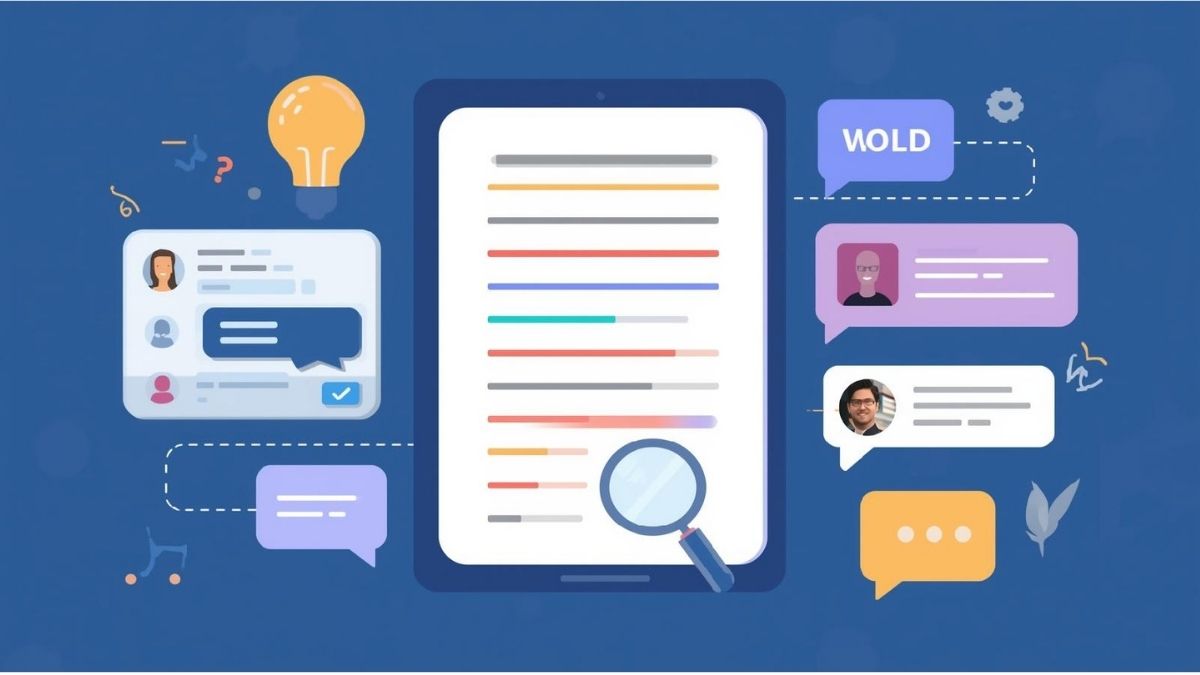
Google NotebookLM is an AI-powered note-taking and research assistant designed to help students work more effectively with their study materials.
Students can upload documents such as class notes, research papers, or PDFs. The tool then generates summaries, highlights key points, and allows users to ask questions directly related to the uploaded content. It also supports audio-based learning, which can be helpful for revising while multitasking.
NotebookLM is especially useful for breaking down complex information into simpler sections, making revision more manageable.
Best use case: Research, note summarization, concept review

StudyX AI is an AI-based academic assistance platform that provides step-by-step explanations across multiple subjects, including mathematics, science, and languages.
One of its notable features is image-based question input, where students can upload photos of problems and receive detailed explanations. The platform also includes writing assistance and structured study tools that help learners stay organized.
StudyX AI is designed to support students at different educational levels by offering clear explanations and consistent guidance.
Best use case: Homework help, problem-solving, exam preparation

Drive AI focuses on document organization and interactive learning. It allows students to store and manage various file types such as PDFs, text documents, and videos in a structured way.
The platform includes AI-powered reading and writing support. Students can ask questions about their stored materials and receive context-based responses, which helps clarify difficult topics. This approach makes it easier to review content without searching through multiple files manually.
Drive AI is particularly helpful for students handling multiple subjects or large amounts of study material.
Best use case: File organization, research management, revision

TurboLearn AI helps students create study resources automatically from different content sources, including lectures, videos, websites, and PDFs.
The tool can generate notes, flashcards, and quizzes based on the uploaded material. These resources may include structured elements such as tables, charts, and diagrams, depending on the content. TurboLearn AI also provides an AI chatbot that answers questions based on the generated notes.
This tool supports different learning styles and helps students revise content in a more interactive way.
Best use case: Note creation, revision, self-assessment

All AI is an educational platform designed to simplify complex subjects and adapt explanations to individual learning levels.
It breaks down difficult concepts into clear, easy-to-understand explanations and offers features such as quizzes, visual aids, and interactive content. The platform supports multiple learning styles, making it suitable for students who prefer a more personalized learning experience.
All AI is particularly useful for learners who find traditional teaching methods challenging.
Best use case: Concept understanding, personalized learning
AI tools are becoming valuable companions in modern education. Instead of replacing traditional learning methods, these tools support students by improving organization, enhancing understanding, and saving time.
Each tool discussed in this article serves a different purpose—from note management and tutoring to document organization and revision support. Students can choose the tools that best match their learning needs and academic goals.
As AI continues to evolve, such tools are likely to play an even greater role in helping learners study more effectively and independently.
Letusassume: This article is intended for educational and informational purposes only. The tools mentioned are examples of AI-based learning platforms, and students should choose solutions that align with their individual requirements and institutional guidelines.